Home
Resources
Workplace Health & Safety
- Winter Workplace Hazards: How to Keep Staff Safe
Winter Workplace Hazards: How to Keep Staff Safe
- Workplace Health & Safety

Michelle Ann Zoleta, Health & Safety Team Manager
(Last updated )

Michelle Ann Zoleta, Health & Safety Team Manager
(Last updated )
Winter in Canada brings more than snow and cold. It brings a range of hidden hazards for small and medium-sized businesses. From icy walkways and outdoor cold stress to seasonal illnesses and winter driving risks, the season can increase both employee risk and operational cost.
Being proactive not only keeps your team safer but helps you stay compliant with health & safety regulations and avoid business disruption.
1. Slips, Trips & Falls
Icy sidewalks, wet floors, and snow-covered entryways are among the leading causes of winter workplace injuries. A single slip-and-fall incident can result in time off work, workers’ compensation claims, and possible fines if safety standards aren’t met. Winter surfaces are unpredictable and require consistent monitoring to reduce risk.
How to prevent slip-and-fall injuries:
- Inspect and maintain walkways and entrances regularly
- Keep sidewalks, entryways, and parking lots clear of snow and ice
- Apply de-icing materials as needed
- Install slip-resistant mats or flooring
- Improve lighting in high-traffic and outdoor areas
- Require appropriate winter footwear
- Use signage to warn of wet/slippery surfaces
- Train employees to identify and report hazards immediately
2. Cold Stress & Outdoor Exposure
Cold stress can affect outdoor workers, and anyone exposed to drafts, poorly insulated areas, or unpredictable weather. Prolonged exposure to cold temperatures can lead to frostbite, hypothermia, reduced dexterity, impaired judgment, and long-term health issues. Employers have a duty to protect workers from extreme weather conditions and provide warm-up opportunities.
How to prevent cold stress:
- Provide warm, layered protective clothing, gloves, and insulated footwear
- Rotate workers between cold and warm areas
- Schedule frequent breaks in heated shelters
- Shorten outdoor work tasks when possible
- Allow workers to warm up between tasks
- Train employees to recognize early symptoms (shivering, numbness, confusion)
- Provide warm beverages and encourage hydration
- Develop and communicate a cold-stress response plan
3. Influenza & Viral Illnesses
Flu season consistently leads to increased absenteeism, reduced productivity, and operational disruptions. Without preventative measures, viruses can spread rapidly, especially in offices, retail environments, and shared workspaces. Encouraging proper hygiene and illness reporting is key to minimizing outbreaks.
How to reduce spread of flu and viruses:
- Encourage workers to get the annual flu vaccine
- Promote handwashing with soap and water
- Provide alcohol-based hand sanitizers throughout the workplace
- Clean and disinfect high-touch surfaces regularly
- Support flexible sick leave so employees stay home when ill
- Encourage employees to self-monitor symptoms and use telehealth when needed
- Communicate clearly about reporting procedures and time-off options
- Develop an outbreak response plan for flu clusters
4. Seasonal Affective Disorder (SAD)
Shorter days and limited sunlight can cause reduced concentration, low energy, irritability, and depression in employees. SAD can affect morale, productivity, and engagement—especially in indoor or windowless work environments. Employers play an important role in creating a supportive, stigma-free atmosphere.
How to support employees with SAD:
- Raise awareness and share mental health resources
- Offer flexible work schedules to maximize exposure to daylight
- Allow employees to work near natural light where possible
- Provide light therapy (phototherapy) lamps if practical
- Implement mental-health-focused wellness programs
- Encourage regular breaks and physical activity
- Promote Employee Assistance Programs (EAP) and counselling services
5. Travel & Driving Hazards
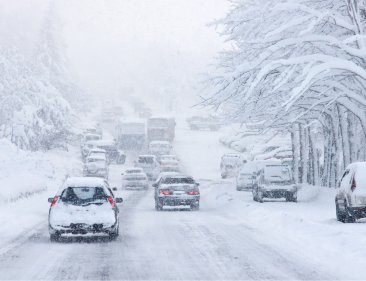
Winter road conditions are a major risk for commuting employees and anyone driving for work. Snowstorms, black ice, freezing rain, and poor visibility can lead to delays, traffic collisions, and missed shifts. Employers must create clear expectations, so employees know what to do when winter weather makes travel unsafe.
How an inclement weather policy helps:
- Sets criteria for weather-related delays, closures, or modified schedules
- Communicates how employees will receive updates (email, text, phone tree)
- Allows flexible start times to avoid dangerous commute windows
- Provides guidelines for remote work during severe weather
- Encourages safe transportation options, such as public transit or carpooling
- Outlines procedures for early dismissals or emergency closures
- Ensures consistent decisions across departments
6. Lack of Emergency Preparedness
Winter emergencies, such as power outages, blizzards, frozen pipes, or prolonged transit shutdowns, can leave employees confused and employers scrambling without a plan in place. A well-developed emergency response plan prevents miscommunication, delays, and risks to employee safety.
What to include in a winter emergency response plan:
- Clear protocols for closures, delayed openings, or remote work
- A designated communication strategy to notify employees quickly
- Identified spokespersons or response leads
- Regular staff training on emergency procedures
- Winter-specific emergency drills
- Stocked supplies: first aid kits, blankets, flashlights, batteries, shovels, ice melt
- A current emergency contact list or call tree
- Easy access to the plan via handbook, shared drive, or intranet
Need help developing health & safety policies or winter hazard plans?
Peninsula Canada can help you create compliant documentation, risk assessments, and emergency procedures tailored to your workplace. Call us today at 1 (833) 247-3652.
Related articles
- February 3rd 2026Common Health and Safety Hazards in Hair SalonsWorkplace Health & SafetyMichelle Ann ZoletaHealth & Safety Team Manager
- January 14th 2026BC Paid Sick Leave: Here’s What All Employers Need to KnowSickness & LeaveOlivia CicchiniEmployment Relations Expert

- December 23rd 2025Employer Guide to Preparing for Extreme Weather EventsWorkplace Health & SafetyIkram MohamedPrincipal Health & Safety Advisor

Back to resource hub
Try Peninsula Canada today
Speak to a Peninsula consultant to see how you could save time and cut risk with unlimited support
Get in touch